
Salesforce Data Loss Prevention: Security Lessons from the Drift Breach

Daniel Wineland
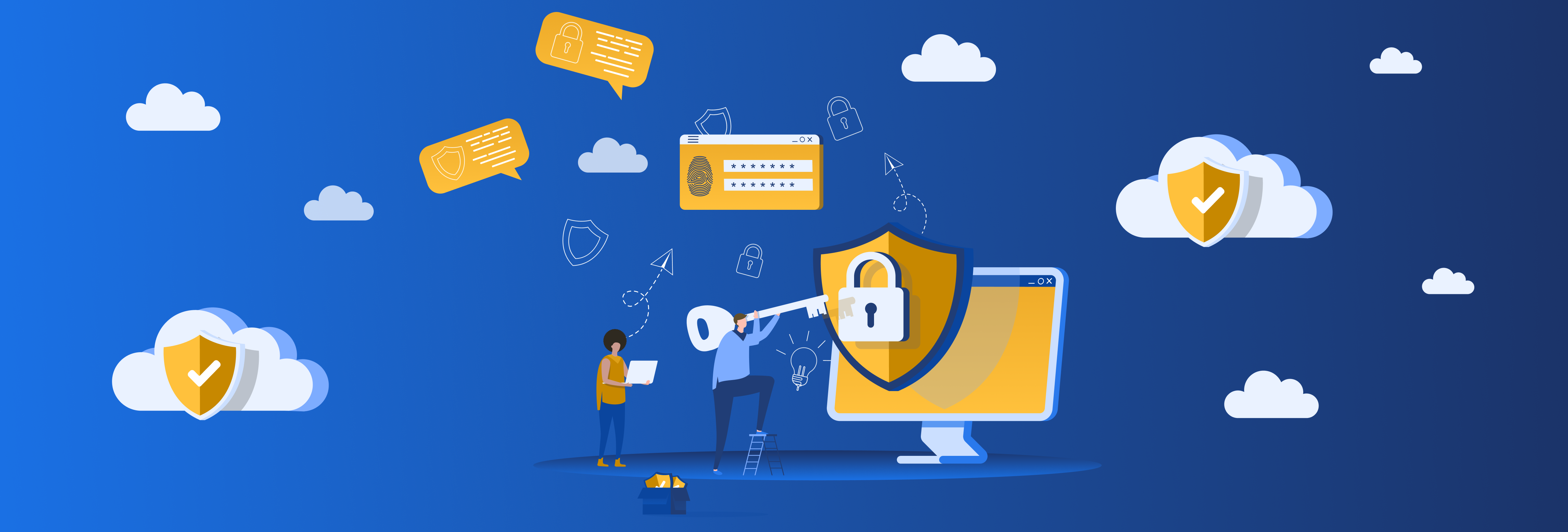
The recent Salesloft Drift data breach underscores the importance of robust Salesforce data loss prevention strategies. The incident was caused by a compromised third-party app integration rather than by the Salesforce platform itself, but it underscored the need to protect sensitive data through best practices.
Protecting your CRM requires more than reacting to threats; it demands proactive, layered defenses including strong authentication methods, regular monitoring and audits, properly managing integrations and permissions, and training teams on security best practices.
4 Ways to Protect Salesforce Data
1.
Implement Strong Authentication Methods
2.
Regularly Auditing and Monitoring Your Salesforce Environment
3.
Managing OAuth Integrations and Permissions
4.
Training Your Team on Security Best Practices
Download Salesforce for Beginners: A Guide on How to Set Up Your CRM
Don’t have time to read the whole guide right now? Download the PDF version of the guide.
What was the Salesloft Drift Data Breach?
In August 2025, a sophisticated supply chain attack targeted the Drift integration for Salesforce, impacting hundreds of organizations. The breach gave a threat actor access to Salesforce case data, including customer support tickets, contact information, and, in some cases, sensitive details such as OAuth tokens shared during support interactions.
The Salesloft Drift data breach was a reminder that hackers do not always need to hit Salesforce Clouds or products directly to cause trouble — they just look for weak spots in connected apps. That is why it’s so important to guard your CRM against everyday threats like phishing, compromised OAuth tokens, and misconfigured integrations. Taking these steps helps keep your sensitive data safe and your business out of the headlines.
Implement Strong Authentication Methods
While the Drift breach didn’t directly compromise Salesforce, it’s a stark reminder of why access controls matter. Access controls act as the “gatekeepers” of your systems, ensuring that only authorized users, devices, or applications can view, modify, or delete sensitive data. Even if attackers exploit a third-party integration, strong access controls make it much harder for them to move laterally within your Salesforce environment.
Enforcing Multi-Factor Authentication (MFA) adds an extra layer of protection by requiring users to verify their identity in more than one way, greatly reducing the risk of unauthorized access even if a password is stolen. Single Sign-On (SSO) further strengthens account security by centralizing logins, lowering the chances of password-related breaches, and simplifying user management. Together, MFA and SSO create a stronger defense that every Salesforce environment should have in place.
Regularly Auditing and Monitoring Your Salesforce Environment
Drift showed that unusual data access was occurring well before the breach was fully understood, showing how important strong monitoring and auditing are. By monitoring user activity, integration logs, data exports, and key Salesforce reports and dashboards, organizations can identify unusual patterns early and respond before attackers gain a foothold.
By reviewing login patterns, user activity, and integration logs, you can catch anomalies, such as suspicious exports or unrecognized apps, before they escalate. Regular audits of permissions and integrations also help close gaps that attackers could exploit. In the context of Salesforce data loss prevention, vigilance is not optional; it’s a must-have defense.
Subscribe to EBQ's Bimonthly Newsletter
Subscribe to EBQ's Bimonthly Newsletter
Managing OAuth Integrations and Permissions
The Drift compromise was a stark example of how OAuth tokens, if abused, can give attackers a direct line into Salesforce data. For many organizations, OAuth integrations are convenient but can also be a blind spot.
To reduce your risk, review all connected apps, revoke unnecessary or overly broad permissions, and rotate tokens frequently. Applying the principle of least privilege ensures that even if one integration is compromised, the impact is limited. This is a cornerstone of practical Salesforce data management; protecting data not only in Salesforce itself but across the entire ecosystem of apps you connect to it.
Training Your Team on Security Best Practices
People play a critical role in preventing breaches. The Drift incident showed that while attackers exploited trusted integrations, it was human awareness that proved essential in recognizing suspicious activity.
Training your team on recognizing phishing attempts, using MFA, and handling sensitive data responsibly strengthens your first line of defense. Employees who know the risks of past breaches, like the Drift event, are more likely to stay alert and avoid costly mistakes. Building a culture of security awareness is one of the most effective long-term Salesforce data loss prevention strategies you can adopt.
Download Salesforce for Beginners: A Guide on How to Set Up Your CRM
Get a more detailed overview of all facets of Salesforce with our beginner’s guide.
Strengthen Your Salesforce Security with EBQ
The Salesloft Drift data breach was a clear reminder that even trusted integrations can put sensitive CRM data at risk. Protecting your Salesforce data requires a multi-layered approach: understanding common threats, enforcing strong authentication, monitoring activity, managing OAuth integrations, and training your team to stay vigilant.
At EBQ, our Salesforce services provide expert guidance, proactive monitoring, and tailored solutions to safeguard your CRM data while keeping your business running smoothly. With EBQ’s certified team on your side, you can strengthen your Salesforce data loss prevention strategy, reduce risk, and focus on driving growth with confidence.
About the Author:
Daniel is the VP of Salesforce Services at EBQ. He leads the CRM Department with multi-certifications in Salesforce and HubSpot. Since joining EBQ in 2013, he’s driven CRM integration for diverse organizations, growing the department by 250% in 4 years through tailored solutions and expertise.