
B2B Website Best Practices to Convert Visitors into Clients


Brent Walrath
This post was originally published in July 2024 and has been updated for accuracy and comprehensiveness.
When it comes to B2B website best practices, everything points to one objective: building a site that naturally guides visitors through the buyer’s journey. From the first click onward, every element should remove friction, build trust, and help prospects understand why your solution is the best fit for them.
Done well, your website becomes a conversion engine that supports sales at every stage. In this chapter, we break down how to set your site up for success with clear goals, a strong technical foundation, and user-focused product pages that communicate value long before prospects speak with your team.

B2B Marketing Strategy Framework: The Ultimate Guide to Business Branding
Learn how to build a strong brand experience with our downloadable guide.
B2B Website Strategy: 3 Goals For Your Site
Your website should function as a one-stop source for nearly every visitor’s need, whether they are discovering your brand for the first time or preparing to request a consultation. To achieve this, your site must encourage conversions through clear messaging, intuitive navigation, and purposeful design that reflects your overall B2B marketing strategy.
Based on our experience, every professional site should be built around three primary objectives:
Guide prospects to your product or service pages.
These pages serve as the center of your sales funnel. Strong internal linking, clear value propositions, and structured page hierarchy help move visitors from initial awareness to qualified interest.
Position your organization as an industry thought leader.
A comprehensive resource center featuring educational blogs, technical guides, and in-depth content enhances organic search visibility and reinforces your credibility within your competitive market.
Convert qualified visitors into measurable sales opportunities.
High-performing landing pages and streamlined inquiry forms make it easy for prospects to take the next step. Supported by compelling offers and a friction-free user experience, these assets turn interest into a pipeline for your sales team.

Subscribe to EBQ's Bimonthly Newsletter
Subscribe to EBQ's Bimonthly Newsletter
4 UX Best Practices for Top-Performing B2B Websites
Your website is often the first interaction prospects have with your company. Strong user experience (UX) is critical for turning visitors into leads while supporting B2B website optimization and search performance. These four B2B UX best practices ensure your site is intuitive, engaging, and aligned with the buyer’s journey.
1. Streamline Navigation
Clear and logical navigation helps visitors find information quickly, increasing engagement and reducing bounce rates.
Key considerations include:
- Mobile-friendly menus and easy-to-follow submenus
- Descriptive links and buttons
- Breadcrumbs for deeper content pages
- Logical page hierarchy
Effective website navigation enhances both user satisfaction and search engine rankings, making it a cornerstone of B2B UX best practices.
2. Prioritize Accessibility
Accessible websites reach the widest audience while staying compliant with regulations such as the Americans with Disabilities Act (ADA).
Best practices include:
- High-contrast color schemes for readability
- Descriptive alt text and image titles
- Clear structure and labeling for all interactive elements
Not only does focusing on accessibility help in Google search rankings, but it also signals credibility, builds trust, and ensures that your technical optimization efforts are not undermined by usability barriers.
3. Optimize Speed and Mobile Performance
Page speed and mobile responsiveness are critical ranking factors. Google’s Core Web Vitals measure how fast your pages load, how quickly users can interact with content, and how stable visual elements are during loading.
A few ways to optimize performance include:
- Compress and use modern image formats such as WebP
- Minimize scripts and heavy code
- Ensure smooth rendering across all devices
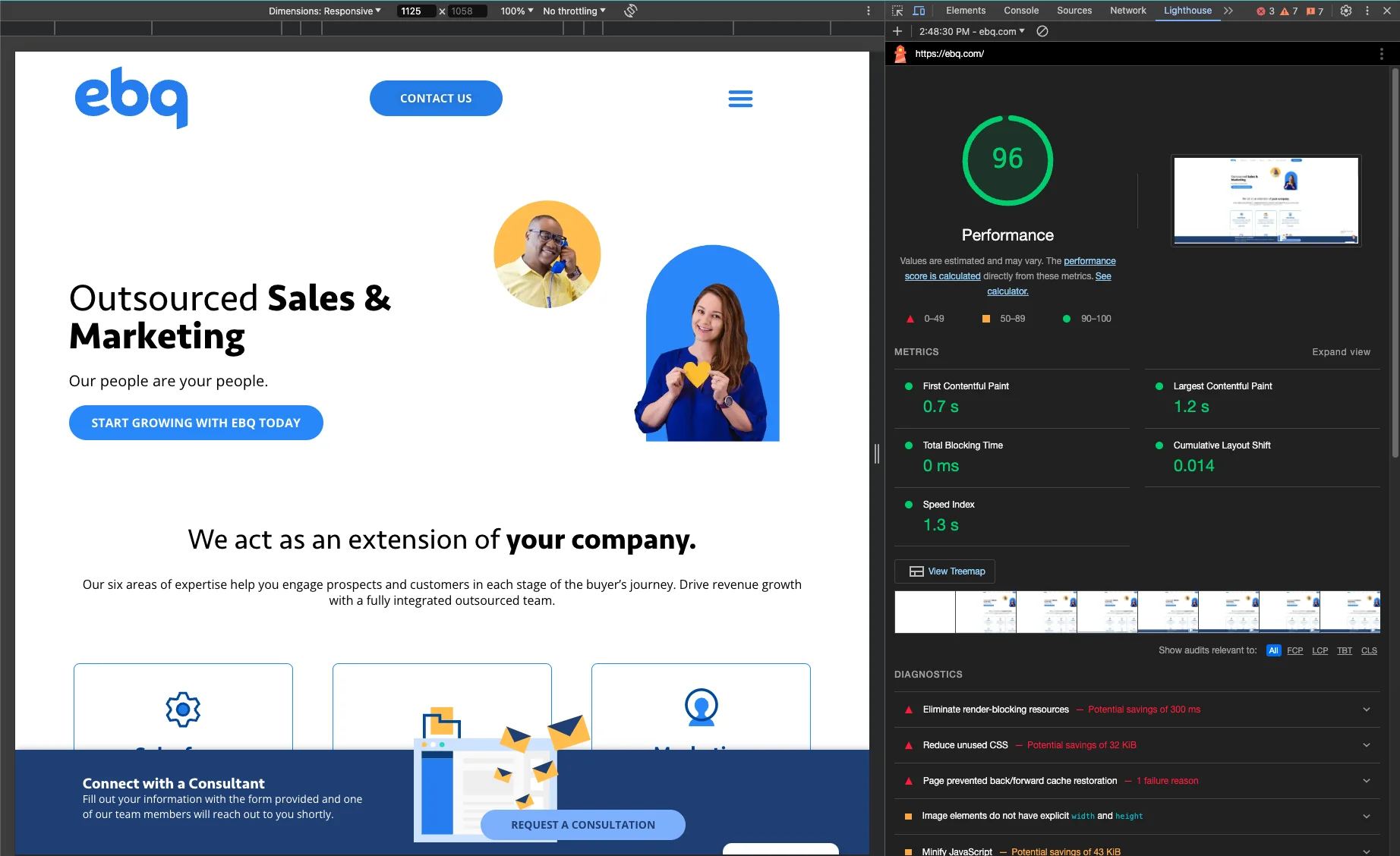
Fast-loading, responsive pages keep visitors engaged and help push them further down the sales funnel.
4. Secure Your Website with HTTPS
Security is essential for both user trust and SEO. HTTPS encrypts data between browsers and servers, protecting sensitive information and signaling credibility to visitors.
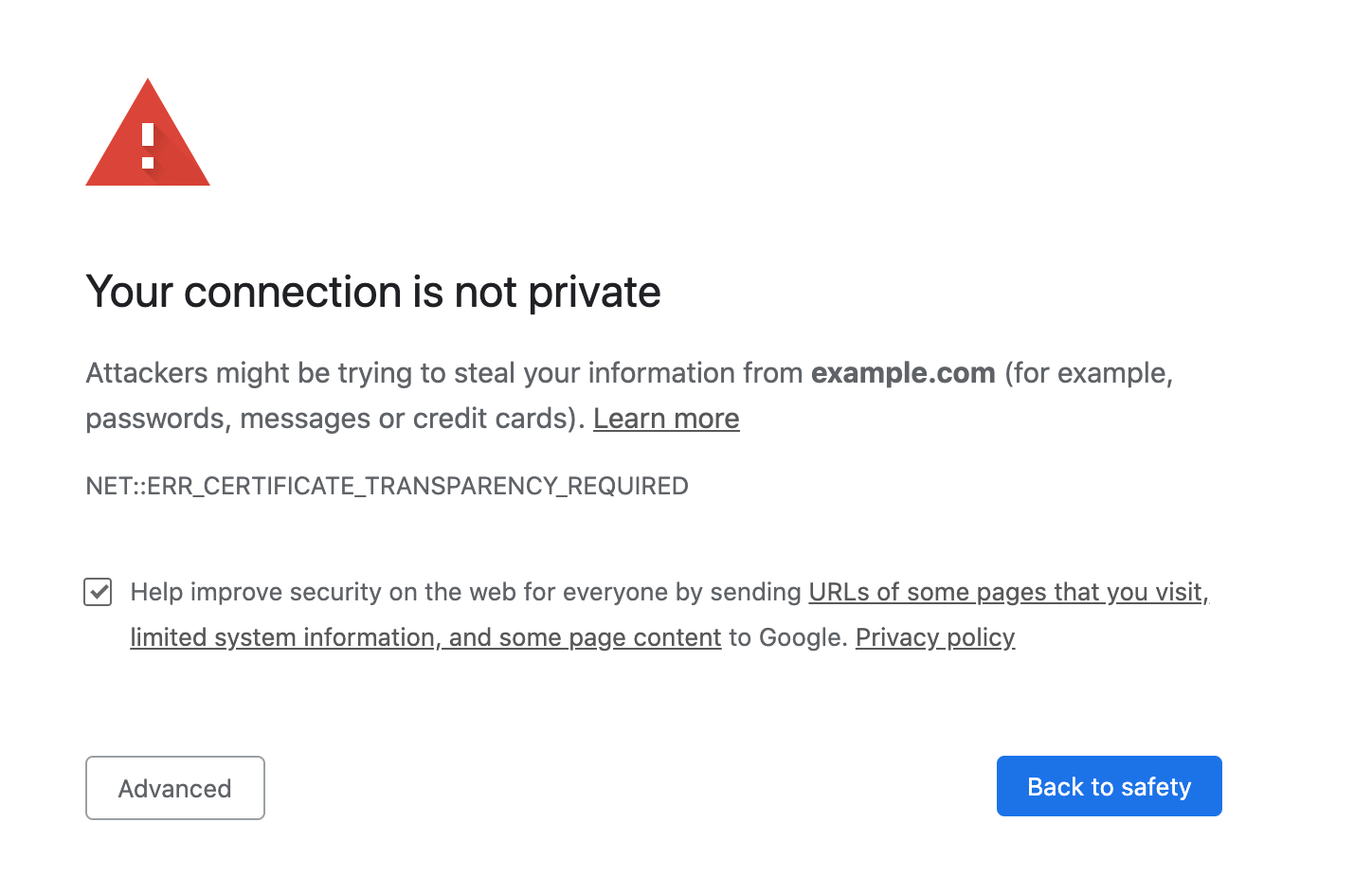
Sites with HTTPS display a lock icon or “https://” in the browser, while insecure sites display risk warnings that can drive users away. HTTPS is a fundamental part of B2B UX best practices and a must for any professional B2B tech website.
9 Tips for Designing High-Performing B2B Website Product Pages
A product page is where visitors understand your solution and the value it provides. On a B2B website, a high-performing product page combines clear messaging, user-centric design, and SEO best practices to drive engagement and conversions.
1. Optimize Page Speed
Ensure fast loading times, especially on mobile, to reduce bounce rates and keep users engaged.
2. Target Long-Tail Keywords in Titles
Craft page titles around the primary keyword to improve search visibility and clarify your offering.
3. Use Structured Headings
Organize content with <h1>, <h2>, and <h3> tags to improve readability and support SEO.
4. Write Compelling Meta Descriptions
Include relevant keywords and clearly communicate the value of your product to encourage clicks from search results.
5. Create Clear URLs
Short, descriptive URLs that match the <h1> title make pages easier to navigate and share. When in doubt, always opt for short and simple URLs — no random letters or numbers!
6. Optimize for Featured Snippets
Use concise paragraphs, lists, FAQs, or tables to define key terms and answer questions, increasing the chance of appearing in Google’s snippets.
7. Link Strategically
Connect relevant blog posts, case studies, and resources to your product pages to guide visitors through the funnel — giving unsure buyers a softer next step, like downloading a guide or exploring educational content, so they still move closer to conversion even if they’re not ready to purchase yet.
8. Incorporate Strong Branding and Visuals
High-quality visuals and consistent branding enhance credibility and engagement.
9. Include Clear Calls-to-Action
Prominent, persuasive CTAs encourage demos, downloads, inquiries, or the option to purchase, turning interest into actionable leads.
A well-optimized B2B website product page balances technical SEO, design, and user experience to guide prospects seamlessly through the buyer’s journey while supporting long-term search performance.
B2B Marketing Strategy Framework: The Ultimate Guide to Business Branding
Learn how to build a strong brand experience with our downloadable guide.
B2B Website Design for Inbound Marketing and Digital Sales
A high-performing B2B website is central to any successful inbound marketing strategy and digital sales strategy. At EBQ, we focus on creating websites that not only look professional but also guide prospects seamlessly through the buyer’s journey.
Choosing the right partner to build or optimize your B2B website is a critical decision for business leaders. EBQ’s Web Development Services provide a dedicated team of experts who design technically sound, conversion-focused websites while staying up to date with the latest SEO trends. Our approach ensures your site supports lead generation, strengthens your digital presence, and aligns with your broader marketing and sales goals.
About the Author:
As VP of Marketing at EBQ, Brent has led over 500 lead generation projects at EBQ, specializing in methodical execution and implementing best practices. With 14+ years of experience, including serving as Chief Revenue Officer, he has refined sales fundamentals and optimized processes for diverse industries, driving success in a dynamic market.